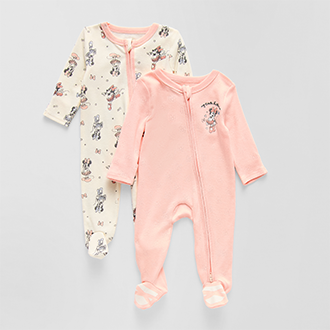
If you are wondering what size newborn clothes your baby needs, the answer depends on several factors
including average weight and length, brand sizing, and how quickly your baby grows. For many new parents
and gift givers, the goal is to find newborn clothing that fits comfortably without overbuying sizes
your baby will outgrow quickly. Most newborn sizes fit babies up to eight pounds and are typically worn
for a short window, but choosing affordable, flexible essentials helps keep your little one comfortable
during those first precious weeks.
Many parents compare newborn sizes with 0 to 3 months when preparing a wardrobe. Newborn
clothing is
designed for smaller babies who fall within the earliest size range, while 0 to 3 months offers more
room for growth. If your baby is expected to arrive smaller than average, a few preemie
newborn pieces
can help ensure a better fit in the early days.
JCPenney makes it easy to shop newborn, preemie, and 0-to-3-month clothing in one place, so you can
compare fits, fabrics, and styles side by side. When building your wardrobe, remember that babies grow
quickly. Choosing a mix of both sizes allows you to transition naturally as your baby gains weight
without needing to replace their wardrobe all at once.
Parents who are shopping for specific outfits often select a few newborn baby
girl clothes or newborn
baby boy clothes to celebrate special occasions and family photos. Since newborn sizes can be
short
lived, it is helpful to focus on affordable basics made with soft fabrics, stretchy openings, and easy
to wash materials for everyday wear.
Babies typically wear newborn clothes for two to four weeks, although some may wear them for only a
few days. Others who arrive on the smaller side may wear them for over a month. The timeline depends
on your baby’s birth size and growth pattern. Monitoring how outfits fit around the arms, legs, and
torso helps you know when it is time to size up.
Look for signs like snaps that strain, sleeves that ride up, or necklines that sit too tightly.
Comfort is the top priority, and JCPenney offers flexible newborn designs made to move with your
baby, helping outfits stay comfortable as your baby grows day by day.
Babies wear multiple outfits each day, especially in the first few weeks. A starter wardrobe
often
includes eight to ten onesies, four to six sleep and play outfits, and a few accessories for
layering.
This helps you stay prepared during feedings, diaper changes, and overnight shifts, without needing
an
oversized closet of clothes.
When built thoughtfully, a small collection supports smooth baby clothes organizing so you can
quickly
find what you need. Including a pair of baby
girl pajamas or baby
boy pajamas gives your little one cozy
options for naps and nighttime. Consider fabrics that are breathable and soft to reduce irritation
on
sensitive skin. Because newborn sizes are often outgrown quickly, choosing value-priced multipacks
and
versatile essentials can help you avoid overbuying.
To keep your baby safe and comfortable, choose simple sleepwear that follows guidelines for proper
temperature regulation. Babies sleep best in soft one-piece outfits or sleep bags that avoid loose
blankets. Lightweight layers are ideal for preventing overheating while still keeping your newborn
warm.
Parents can also add accessories like socks or booties when needed for extra warmth. Since sleep is
one of the most frequent and important activities during the newborn stage, having a rotation of
easy-care, comfortable sleepwear from JCPenney makes the routine easier and more comfortable for
your baby.
Newborn clothing should be washed before the first wear to remove any manufacturing residues. Choose a
gentle detergent free of dyes and fragrances to protect sensitive skin. Wash clothing in warm or
cold
water on a delicate cycle, then dry on low heat to prevent shrinking.
Be sure to check all labels for specific washing instructions. Delicate fabrics may require extra care
or air drying. Washing newborn pieces separately or in mesh bags can help keep tiny socks and mittens
from getting lost. Choosing durable, easy-care fabrics can simplify laundry during a time when frequent
washing is unavoidable.
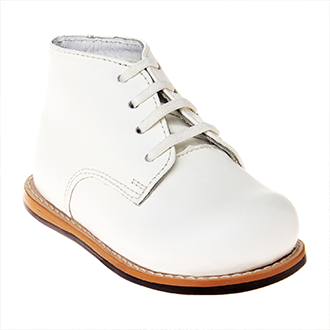
Newborns do not typically need structured footwear, but soft fabric shoes or booties can help keep
feet
warm when outside or during photos. If your baby does wear shoes, choose styles labeled as newborn shoes
that provide gentle coverage without restricting movement.
Most newborn shoes fit babies up to eight pounds. However, your baby’s unique foot shape should
guide
the decision. Look for flexible soles and soft linings that support natural curling and stretching
of
tiny toes. For everyday comfort, socks or bare feet are often the simplest and most practical
option.
Dressing your newborn becomes easier when you understand how sizing works and how quickly babies grow.
JCPenney offers affordable newborn and infant essentials across clothing, sleepwear, and accessories,
making it easier to build a practical wardrobe without overspending. Whether you need cozy sleepers,
picture ready outfits, or everyday basics, JCPenney’s collections help you shop confidently for your
baby’s first days and beyond.